

Art tokenization
Turn art into a liquid asset that pays back over time
Traditional art markets are illiquid, difficult to access, and rely on intermediaries. At Brickken, we help tokenize physical and digital artworks, enabling shared ownership and programmable value distribution. This allows artists, galleries, and collectors to raise capital, monetize future sales, and expand access to art investment.

Trusted by global innovators


%20(1).webp)






.webp)
.webp)


What is art tokenization?
Art tokenization refers to representing full or fractional ownership, revenue rights, or usage rights of physical or digital art through blockchain-based tokens. These tokens may carry:
Benefits of art tokenization

Fractional ownership
Break high-value artworks into smaller pieces. Make art investment more accessible and inclusive.

Global market reach
Sell artwork tokens to collectors and investors worldwide. Expand beyond physical gallery walls.

On-chain provenance
Prove authenticity and ownership history digitally. Reduce forgery risk and boost buyer trust.

Art backed liquidity
Use tokenized art as collateral for financing. Unlock capital from previously illiquid assets.

Recurring artist income
Enable artists to earn royalties on secondary sales. Smart contracts enforce payout rules automatically.
The Brickken platform: An end-to-end solution for digital assets management
Legal structuring
Establish the legal foundation of your project. Define the structure and prepare all required documentation to ensure compliance and transparency.
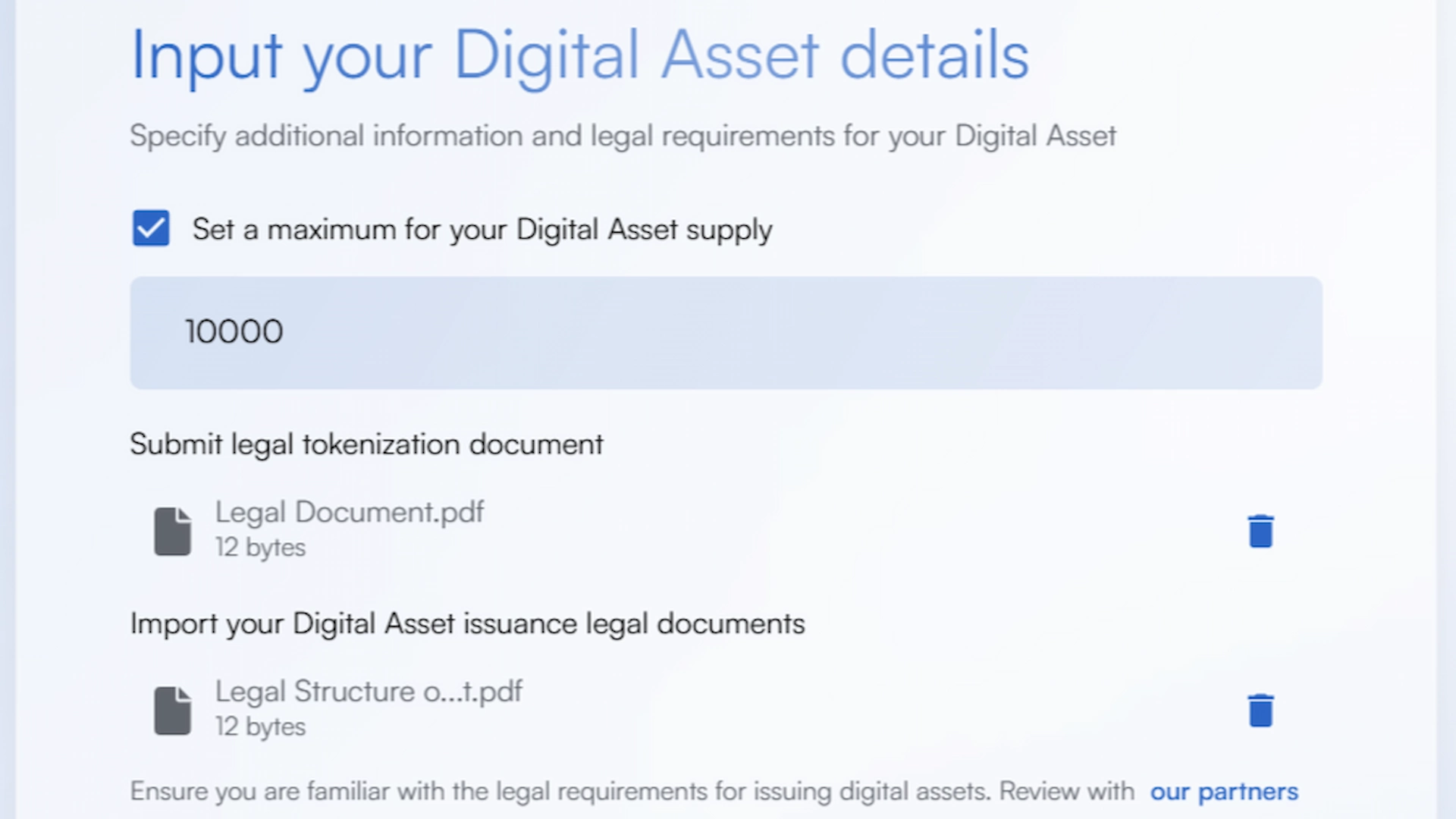
Digital asset store setup
Create your investor portal the central hub where your tokenized assets will be displayed and accessed. Define your project’s identity and configure the environment investors will interact with.
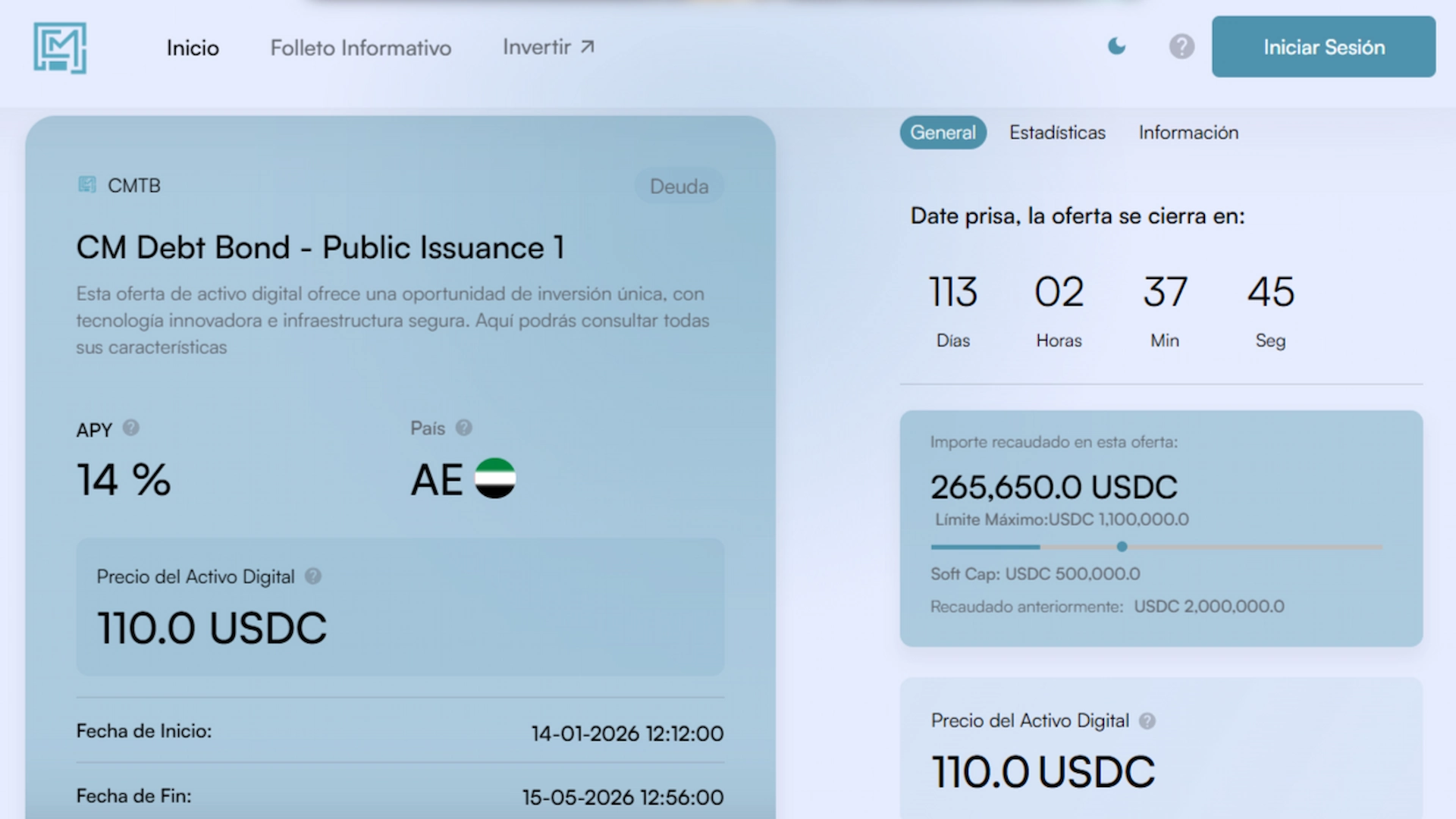
Offering launch
Set the terms for your initial token offering. With the store and visuals in place, configure the funding round and get ready for investor onboardin
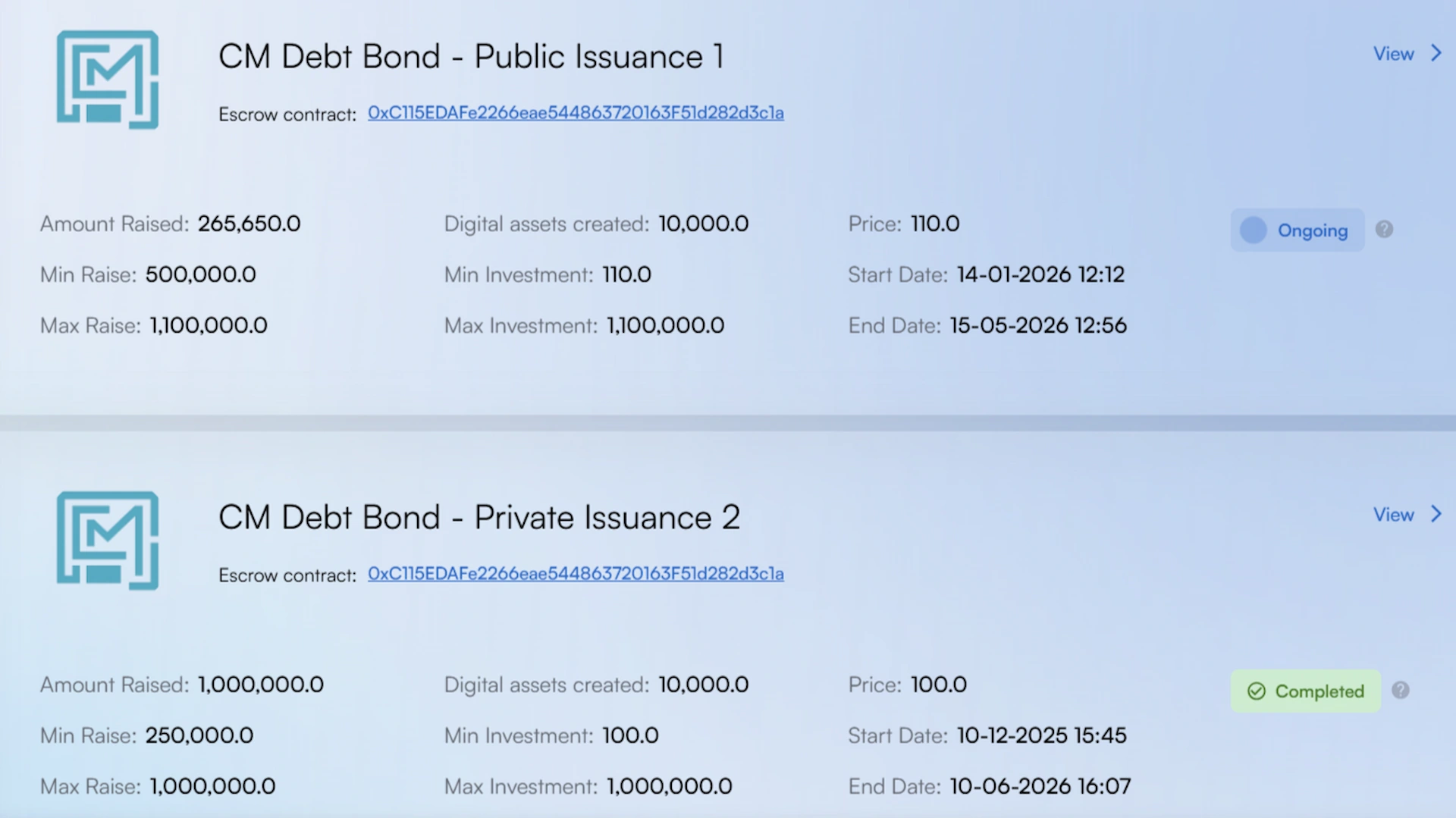
Use Cases
Art tokenization
Art tokenization with royalties
Example
An artist tokenizes a digital or physical artwork and earns royalties from every resale.
How it works
- A €50,000 artwork is tokenized into 1,000 tokens.
- Multiple investors buy fractional shares.
- If a token holder resells part of their stake for €6,000, the smart contract sends €600 (10%) directly to the artist.
- The rest (€5,400) goes to the seller.
- The new buyer now owns the corresponding share.
Tokenization benefit
Creates long-term income for artists while offering investors tradable exposure to collectible assets.
Art-backed lending
Example
A collector tokenizes a Picasso painting and uses it as collateral for a €300,000 loan.
How it works
- The painting is stored in custody and tokenized.
- A smart contract issues a loan agreement backed by the artwork token.
- If the loan is repaid, the token is returned to the owner.
- If it defaults, the lender receives the token and claim to the asset.
Tokenization benefit
Provides liquidity without selling the artwork, using a secure, transparent mechanism.
On-chain provenance and authenticity
Example
A gallery issues tokens linked to each artwork sold, embedding authenticity records on-chain.
How it works
- Each token acts as a digital certificate of origin.
- The blockchain records ownership transfers and sales history.
- Future buyers verify provenance instantly through the token.
Tokenization benefit
Reduces forgery and fraud in the art market while preserving value and trust for future sales.
Revenue sharing from exhibition royalties
Example
A foundation tokenizes a sculpture’s exhibition rights and shares future venue royalties with supporters.
How it works
- Tokens are sold to art patrons to raise €200,000.
- Museums or festivals pay exhibition fees, which are tracked on-chain.
- Revenues are split among token holders and the artist/foundation via smart contract.
Tokenization benefit
Enables funding for art mobility and lets supporters benefit financially from cultural exposure.